The Chemical Weapons Convention Turns 28.

A Test of – and Testament to – Multilateralism.
From the mustard gas of World War I to precision Novichok attacks in Russia’s suppression of opposition, the creation of chemical weapons have long embodied humanity’s worst impulses. But they also represent something unexpectedly hopeful: one of the rare instances when the world has come together to say “never again” – and endeavored to bring that commitment to life.
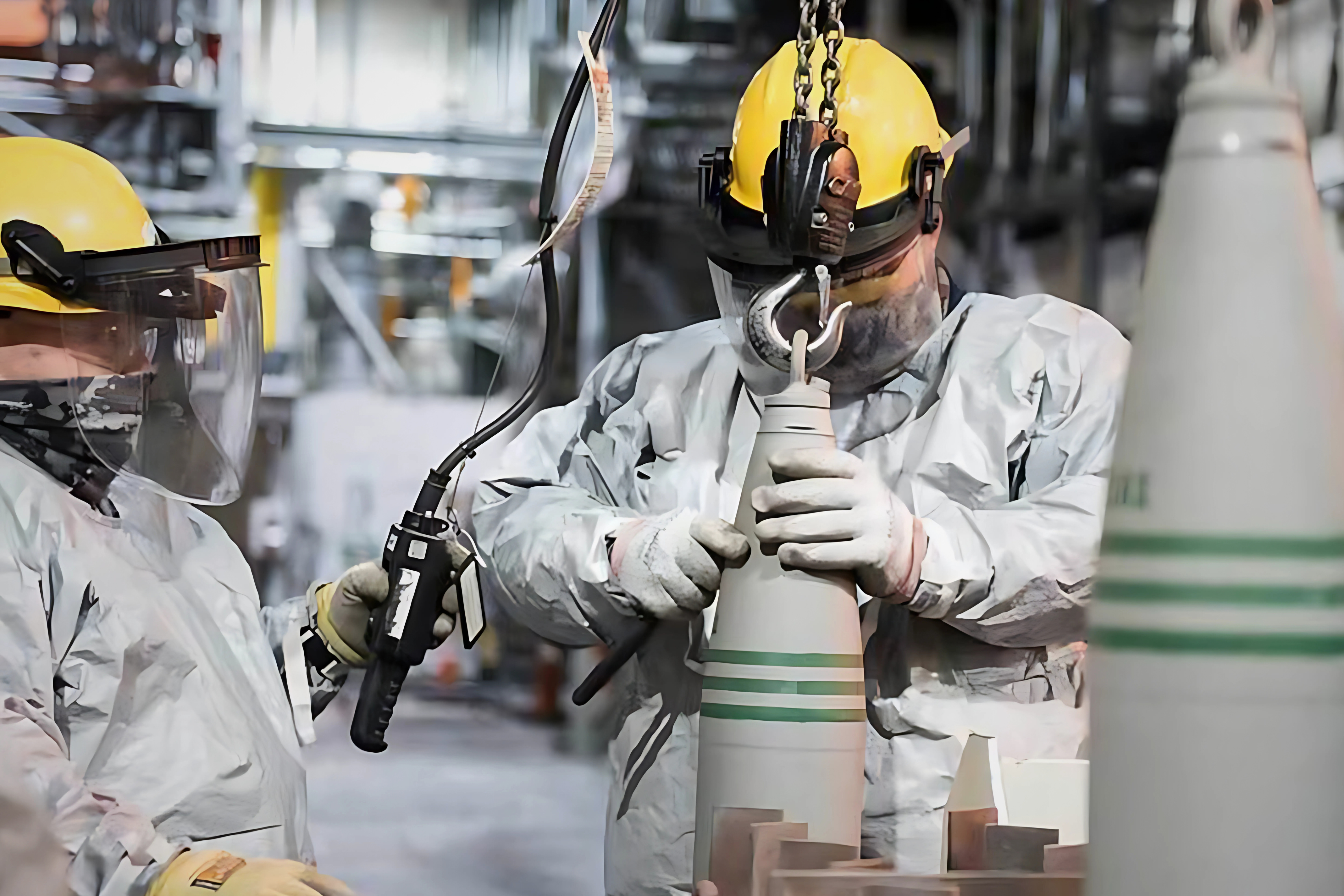
That global consensus took form in the Chemical Weapons Convention (CWC), which entered into force 28 years ago this month. With 193 states parties, a Nobel Peace Prize and a verified destruction rate of 99% of declared chemical weapons stockpiles, the CWC stands as one of the most successful treaties in history.
“This is a treaty that has stood the test of time,” says James Revill, PhD, Head of WMD and Space Security Programs at the UN Institute for Disarmament Research (UNIDIR). “It’s comprehensively prohibited a class of weapons that are widely viewed as abhorrent – and it’s done so in a way that’s navigated incredibly difficult geopolitical moments.”
But progress, warns arms control expert Daryl Kimball, is fragile.
“We’ve achieved a lot – but we’re not done,” says Kimball, Executive Director of the Arms Control Association. “The taboo against chemical weapons possession and use established by the CWC is very strong, but we cannot take it for granted.”


Comments
Post a Comment